tech
Claude vs. Codex isn't about code. It's about whether you steer or dispatch.
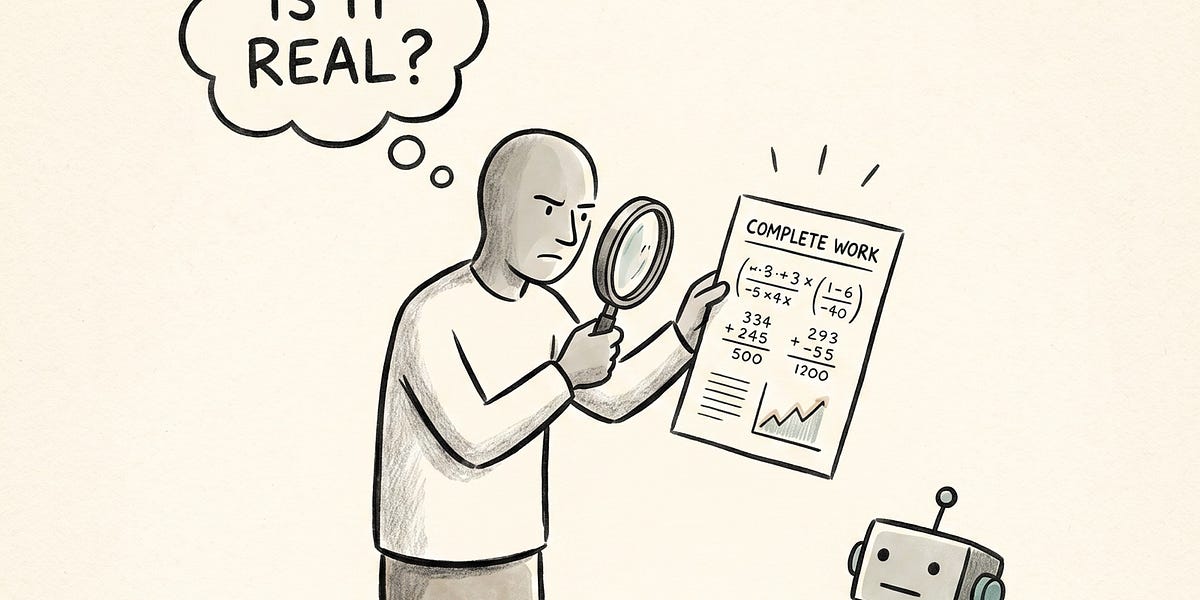
The two ways agents fail you. Understanding theater, where a good conversation convinces you the work was understood, and completion theater, where a finished run feels far more done than it is.
TL;DR
- AI tools like Claude Code and Codex teach different methods of managing machine work: steering versus dispatching.
- The 'strange moment' with AI is not receiving an answer, but receiving completed work that was not directly supervised.
- These tools are training users to manage AI labor, a skill that will impact many white-collar jobs beyond just coding.
- Claude teaches users to 'steer agents,' requiring active guidance and interaction.
- Codex teaches users to 'dispatch agents,' assigning tasks and expecting finished work.
- The core challenge is deciding when AI-generated work is 'good enough' to accept.
- The habit of receiving work from machines is spreading beyond software to research, sales, legal summaries, and more.
- Understanding 'theater' (conversational assurance) and 'completion theater' (finished output illusion) is key to evaluating AI work.
- Key jargon like context, permissions, and worktrees are becoming essential concepts for interacting with AI agents.
- The real test of an AI tool comes after the output, examining how different methods achieve the same result and assessing trust.