Over-the-counter hearing aids: Getting the right one is still hard
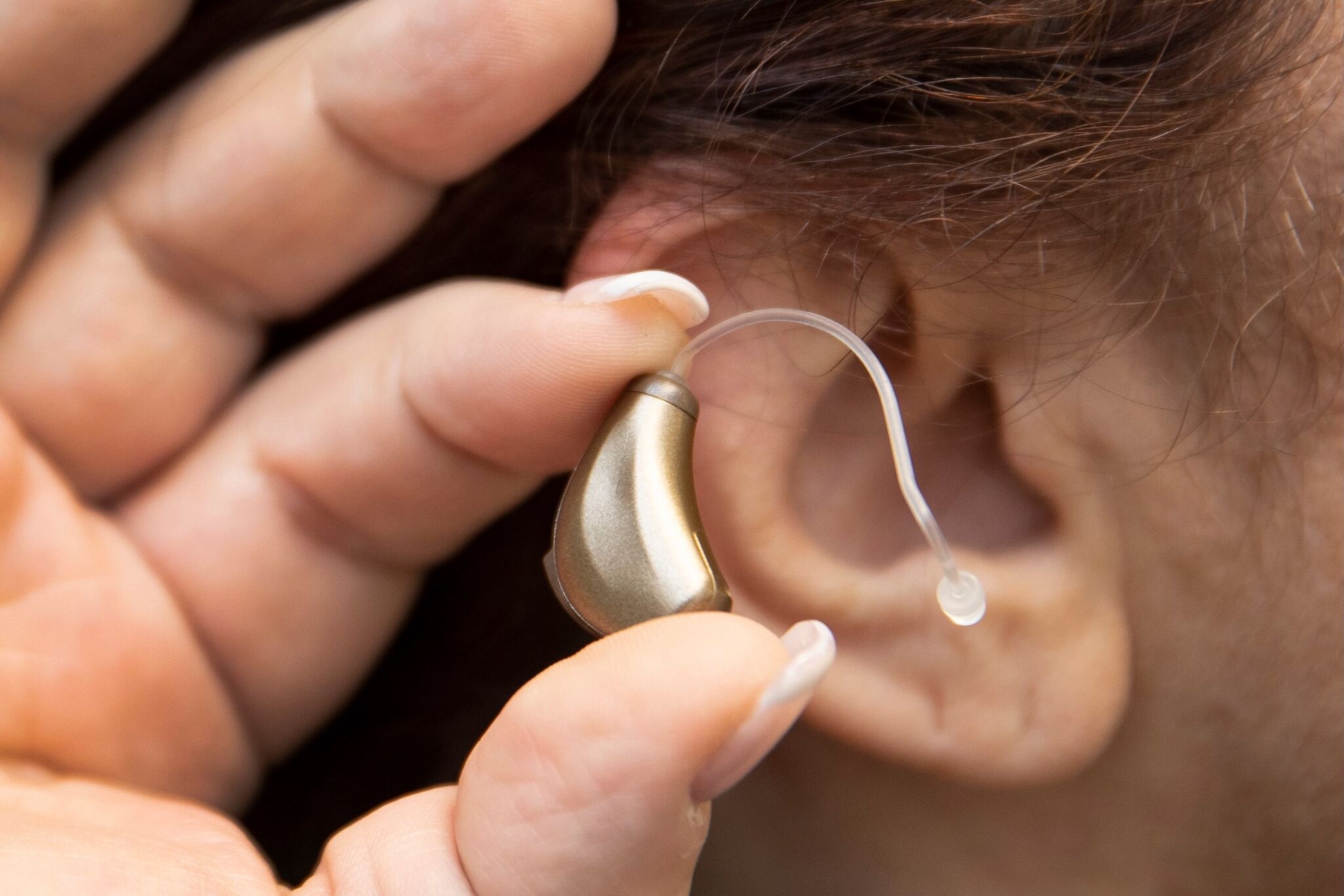
Jennifer Nealon, marketing director at Hear Again America, holds a hearing aid sold by the company in Boca Raton, Fla., on Oct. 19, 2021. That day, the FDA proposed a rule to allow adults with mild to moderate hearing loss to buy hearing aids over the counter without a medical exam or audiologist fitting. The rule took effect in 2022.
TL;DR
- Over-the-counter (OTC) hearing aids were made available for adults with mild-to-moderate hearing loss to improve accessibility and affordability.
- Many consumers find the OTC hearing aid market confusing, lacking professional assistance to evaluate hearing, choose devices, or understand insurance coverage.
- Audiology clinics may not assist with OTC devices if they are not reimbursed by insurers for prescription devices.
- Some OTC hearing aids are not FDA-regulated and may be personal sound assistant devices that do not function like hearing aids.
- OTC hearing aids are suitable for mild-to-moderate hearing loss; other issues like earwax or congestion require medical attention.
- A professional hearing test by an audiologist is considered the gold standard, but online screenings can be a starting point.
- Medicare generally does not cover hearing aids, though some Medicare Advantage and commercial plans may offer partial or full coverage, sometimes with specific vendor requirements.
- Key features to look for in OTC hearing aids include self-fitting capabilities, customization options, a trial period, a warranty, and accessible customer service.
- One individual experienced a long, expensive, and frustrating trial-and-error process over several years to find suitable OTC hearing aids.